






Eran Barak explains how MIND's collaboration with Microsoft shapes enterprise data protection.
Eran Barak explains how MIND's collaboration with Microsoft shapes enterprise data protection.
Your team is rolling out Copilot, and your data protection has to keep up. I have seen that problem from both sides. I co-founded Hexadite, a security automation startup, which was acquired by Microsoft. I then spent four years inside Microsoft, seeing firsthand the value Microsoft delivers to its customers from both productivity and cybersecurity perspectives, before starting MIND. Today MIND has signed a partnership agreement with Microsoft, and that brings the story full circle.
Microsoft is already where many of our customers work, yet most data security tools weren’t built with that reality in mind. They were designed before AI and sold as siloed solutions, so each one sees only a slice of the picture and lacks the context to understand the data it’s meant to protect. That’s why we founded MIND. We set out to deliver Stress Free DLP, built on the Microsoft environment customers already run.
What working inside a platform company taught me
Platform companies like Microsoft build controls for millions of customers at once. That scale is a real strength, and it also sets a limit. No platform can know the shape of an individual company's specific data or the exceptions your business depends on. It can't see how your analysts triage an alert late on a Friday afternoon either.
I came to believe that context decides whether a control works. The most useful security tools meet people where they work. They explain their decisions. They leave ordinary work alone, and those are the standards we hold ourselves to.
Enabling confident AI adoption
Copilot adoption is growing exponentially, and it’s already delivering value to many organizations. Copilot respects existing user permissions, so it works with whatever access a person already has. It stays safe when the data behind it is accurately protected. That is where MIND, identity controls and Purview come in. If permissions and labels are untidy, Copilot will surface risk faster than a quarterly policy review can keep pace.
That's why leveraging MIND to understand what data is sensitive and reviewing its exposure is how to accelerate the rollout of Copilot. AI adoption and data protection work best when they are planned together.
What partnership and integration each mean at MIND
It means we complement what you have. Purview labels stay in place. MIND works with them to make them more consistent and better informed by context. Microsoft's native protections remain responsible for their own enforcement. Our role is to add the context that's missing and the automation that stretched teams don't have time to build.
Customers look to Microsoft for innovation, and we want MIND to help them make the most of it, with data security that fits naturally into the environment they already run.
This integration now covers Microsoft Edge and Exchange as well as Microsoft 365, Purview, Copilot and Windows endpoints. Customers can apply data protection across the places their people already work, without stitching together separate tools.
What security leaders should do next
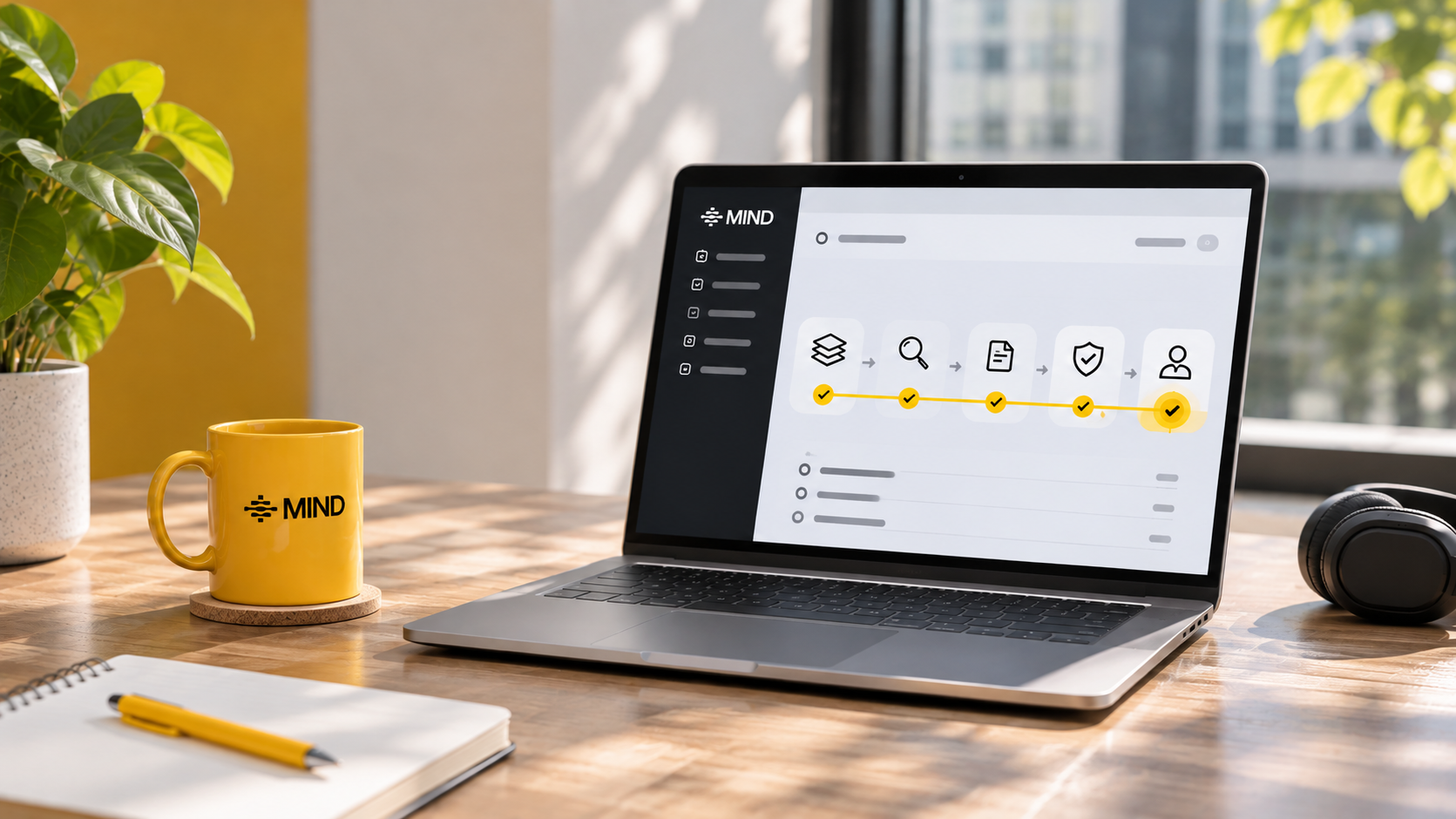
Start with an inventory. Find out where sensitive data lives across Microsoft 365 and endpoints before a Copilot pilot widens access. Then check how well your labels match what the files hold. Discovery and labeling are often the parts that fall behind schedule, and getting both right moves the rest of the program faster.
If you're leading a Copilot rollout or looking to add AI-driven discovery and contextual classification to Purview sensitivity labels, I'd like to hear from you. Request a MIND demo and bring the questions your team is already asking. We'll work through them against your own Microsoft environment.